
Access to cash remains an operational detail of travel logistics. The choice of card, the ATM used, and the on-screen options presented at withdrawal time determine whether a withdrawal is cost-free or carries hidden charges. The following text provides a fact-focused, actionable guide for travellers who wish to limit or eliminate ATM-related costs in Europe when using travel cards, prepaid cards or mainstream debit products.
Basic mechanics: who charges what
Three distinct parties can impose charges on an ATM withdrawal:
- the ATM owner or operator, which may display a surcharge immediately before dispensing cash;
- the card issuer, which can apply withdrawal fees and foreign transaction charges;
- the card network via the currency conversion rate, or the merchant/ATM offering dynamic currency conversion (DCC).
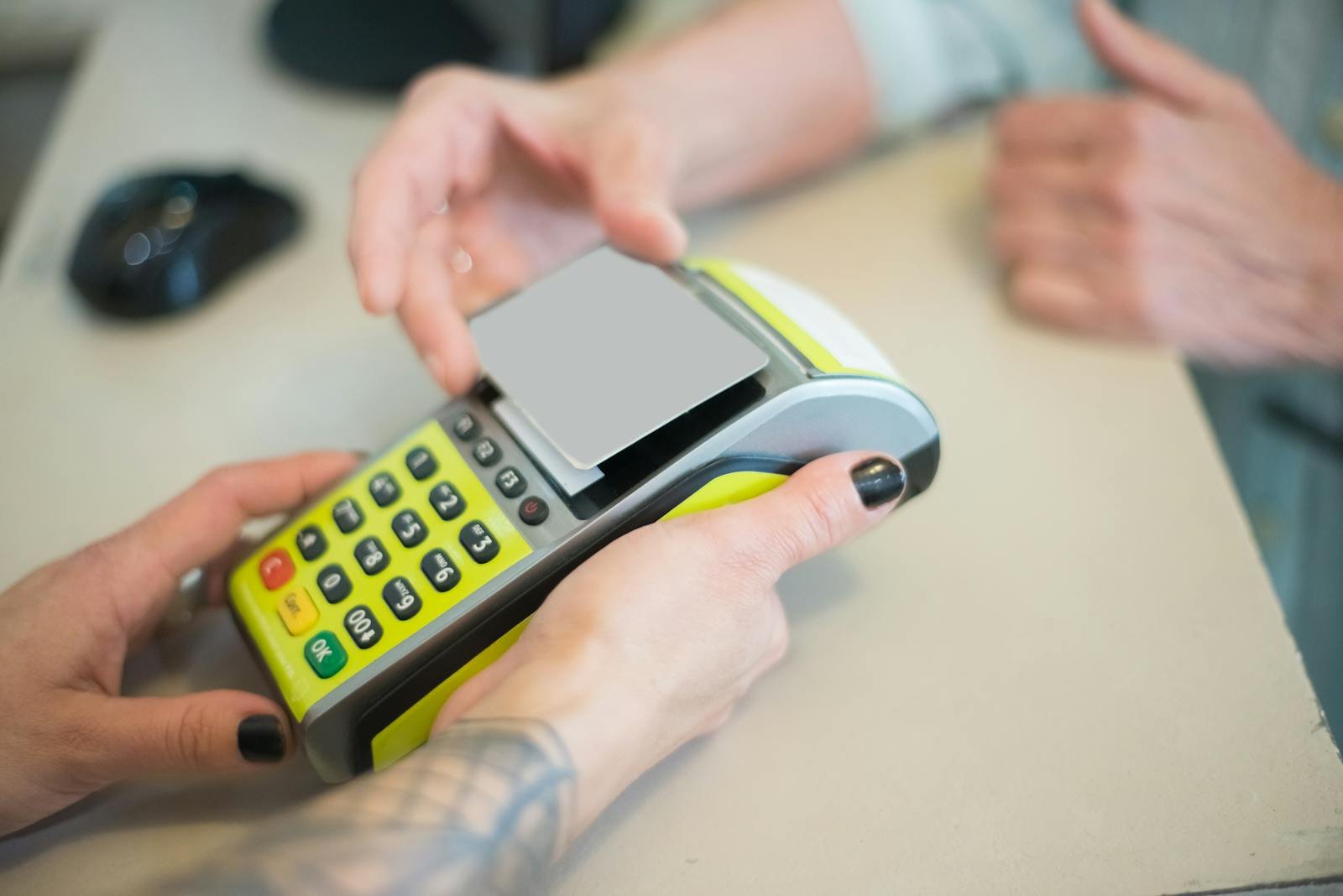
Visa describes DCC as “one likely scenario” when merchants or ATMs offer conversion into a traveller’s home currency, otherwise called Dynamic Currency Conversion (DCC). Travelers who accept DCC often pay a worse exchange rate plus a conversion fee. (visa.co.in)
Interbank practice differs by issuer and by product. Some modern challenger banks and travel-focused card issuers waive issuer-side fees for standard withdrawals up to published limits. Classic bank accounts may charge a percentage per withdrawal. The ATM operator surcharge is an independent additional fee imposed by the machine owner. Clear disclosure usually appears on-screen before the cash is released, but this depends on local legal frameworks. (Bankrate) (Wikipedia)
Which cards reduce or eliminate fees
Market offerings in 2025 split into categories: mainstream bank debit cards, challenger bank travel cards, and prepaid/multi-currency travel cards. The practical differences for ATM usage are the published withdrawal limits and whether the issuer refunds or waives transaction fees.
Representative issuer policies in mid-2025:
- Wise: two free withdrawals per month up to a combined €200; a percentage fee applies above that threshold and a small fixed fee applies after two withdrawals. Wise publishes the rule explicitly. (Wise)
- Revolut: tiered allowances tied to plan level; standard free allowance followed by a 2% fee or minimum charge per withdrawal once allowances are exhausted. Plan benefits expand on paid tiers. (Revolut) (Wise)
- Starling Bank: publishes zero card fees for spending and ATM withdrawals abroad, subject to local ATM owner surcharges. The bank’s travel-page summarises that no issuer fee is added to card withdrawals. (Starling Bank) (Starling Bank)
- Monzo: fee-free withdrawals in the EEA for main-account holders, with specific limits outside the EEA and higher limits for paid plans. Monzo’s help pages specify different allowances for main-account and non-main-account customers. (Monzo)
These items reflect representative policies. Card terms change frequently, therefore document checks prior to travel are recommended.
Practical steps to avoid extra fees at the ATM
- Select the correct card for the market. A multi-currency travel card, a prepaid travel card Europe product or a fee-free travel card Europe issuer can remove issuer-side fees for small to moderate cash needs. Well-known options appear in travel card comparison Europe reviews and travel money card reviews. Use the card whose published limits match expected cash needs. (Wise) (help.curve.com)
- Decline DCC. When an ATM offers to convert the withdrawal into the card’s home currency, the on-screen prompt usually shows the conversion and the final amount. The correct selection for minimal cost is to take the local currency; the card issuer will post-convert at the card network rate. Visa’s guidance highlights that accepting conversion at point of withdrawal can raise cost relative to issuer conversion. (visa.co.in)
- Avoid clearly marked convenience ATMs. Machines located at airports, tourist venues, and inside commercial establishments commonly add operator surcharges that can exceed the issuer fee. ATMs inside bank branches tend to carry lower operator surcharges. Bankrate’s summary of ATM operator fees explains that ATM owners may add surcharge fees that stack on top of any bank fee. (Bankrate) (liebermancompanies.com)
- Opt for larger, fewer withdrawals. Fixed-per-withdrawal charges from either ATM owners or issuers penalise multiple small withdrawals. If the card’s monthly fee-free allowance supports a single larger withdrawal, choose that pattern. This converts fixed costs into a single event rather than multiple ones.
- Use issuer tools to plan. Many providers publish ATM-fee rules and will display local ATM maps indicating partner networks. Travel card offers Europe pages and travel card comparison Europe tools aggregate these rules for side-by-side comparison. Where an issuer refunds out-of-network surcharges, download and preserve receipts to submit a claim by the issuer’s process.
- Consider cashback at retail. In many EU countries, retailers provide cash back with card payments at checkout for no extra fee. This removes exposure to ATM-owner surcharges. Retail cashback availability varies by country and store type.
A short checklist for the traveller
- Confirm monthly free withdrawal allowances for each card carried.
- Enable card notifications and set daily limits in the issuer app.
- Carry one multi-currency travel card for small withdrawals and one fee-free debit card for larger needs.
- Always choose local currency when an ATM offers a conversion option.
- Keep ATM receipts for reimbursement eligibility.
Data points that matter
A provider-level study shows distinct country-level variance in ATM-related fees when measured using a single issuer’s data; one analysis found Iceland, Turkey and Austria among the countries with the highest relative ATM fees recorded for that issuer’s card flows. That dataset lists Iceland at 4.60% in its sample, with several other countries showing smaller but measurable percentages. Such divergence means the same card can be fee-friendly in one country and costly in another. (Wise)
Issuer policies vary by plan tier. Revolut’s published approach sets free allowances by plan and then applies a 2% charge beyond the allowance or a minimum fee; Wise applies two free withdrawals up to a combined threshold then charges proportionally for larger or additional withdrawals. These sample policies illustrate how small differences in rules drive outcome differences in real usage. (Revolut) (Wise)
Choosing between product types
- Best travel cards for EU banking customers who prioritise ATM access without issuer fees are generally the newer mobile-first banks and some specialised travel cards. The phrase best Europe travel card 2025 appears repeatedly in comparison pieces that place fee-free debit products and multi-currency travel card offerings at the top. Guides that aggregate travel card offers Europe and travel card comparison Europe data can be used for final selection. (Kiplinger) (MoneySavingExpert.com)
- Prepaid travel cards and prepaid travel card Europe products reduce exposure to exchange-rate fluctuation if the user loads local currency in advance. The trade-off is potential loading fees and inactivity costs. Travel money card reviews typically list these trade-offs in fee tables.
- Bundled options such as Curve or other aggregator cards advertise fee-free or reduced-fee foreign transactions, with consumer-facing plan limits that must be compared to actual travel patterns. Curve’s plan pages outline free-tier and paid-tier limits tied to monthly allowances. (help.curve.com) (curve.com)
Final Considerations
The most reliable way to avoid ATM fees when using travel cards in Europe is to treat card selection and withdrawal strategy as a planning task. The card’s published terms, the physical ATM owner’s surcharge practice, and the DCC checkbox on the screen are the three decisive elements. Reasoned choices—declining dynamic conversion, using issuers with favorable allowances, preferring bank-owned ATMs, aggregating withdrawals—deliver measurable savings. For travellers who prefer a single search-and-compare step, travel card comparison Europe pages and travel money card reviews provide updated summaries of limits and fees, including the top travel cards Europe and listings of the best travel cards for EU consumers.
For final choice architecture, combine a multi-currency travel card with a fee-free debit card from a reputable challenger bank, verify limits and refunds before departure, and retain receipts for any operator surcharge reimbursement claims. This pattern minimises the probability of surprise fees applied at point of withdrawal and reduces aggregate Europe travel expenses card costs across a trip. (Wise) (Starling Bank) (visa.co.in)
Sources and reference reading used for factual checks and policy citations: Visa (DCC guidance), Mastercard DCC Guide, Wise pricing and ATM analysis, Revolut help pages on ATM withdrawals, Starling travel page, Monzo help pages, Bankrate summary on ATM operator fees, MoneySavingExpert and curated comparison guides for travel cards and travel card offers Europe. (visa.co.in) (Mastercard) (Wise) (Revolut) (Starling Bank) (Monzo) (Bankrate) (MoneySavingExpert.com)