
The use of specialized payment instruments for overseas spending continues to rise among European and international travelers. Traditional bank cards often impose foreign transaction fees or apply unfavorable exchange rates, prompting demand for dedicated products such as multi-currency travel cards, prepaid travel card Europe offerings, and travel credit cards. According to a 2024 survey by TD Bank, 94 percent of younger travelers exchanged cash or held specialist cards for international trips, reflecting a broader shift toward fee-optimized payment solutions (Kiplinger). Industry experts observe that efficient travel cards can reduce expense headaches and deliver measurable cost savings when compared with conventional debit or credit cards.
“Always to pay in the local currency to benefit from the wholesale Visa or Mastercard exchange rates,” advises financial commentator Andrew Hagger, underscoring the importance of local-currency transactions to avoid hidden conversion markups.
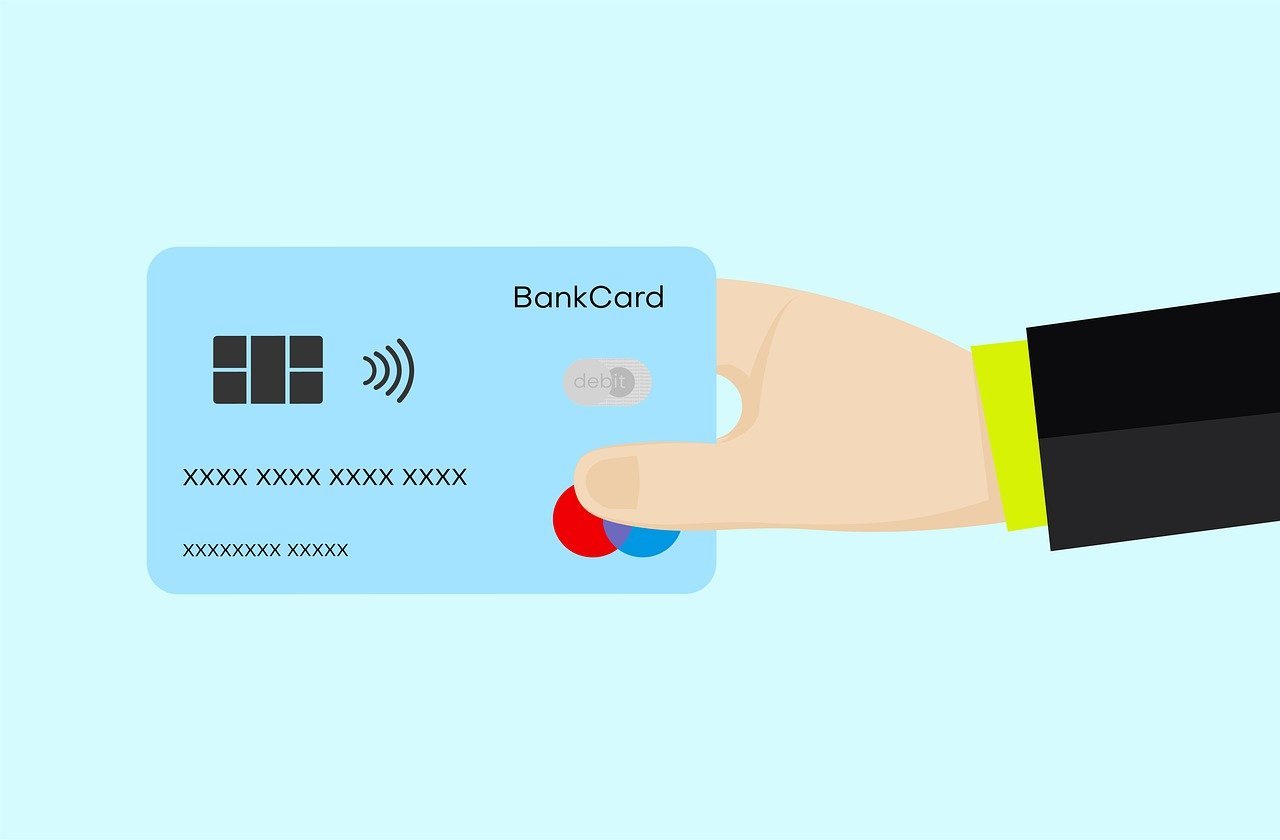
This article examines fee structures encountered across card categories, reviews leading products—including the best Europe travel card 2025 nominees—and offers guidance for selecting solutions aligned with specific travel expense profiles.
Fee Categories and Their Impact on Travel Costs
Travel-focused cards typically differentiate themselves by optimizing or waiving one or more of the following cost elements:
1. Issuance and Maintenance Fees
- Card delivery: One-time fees charged upon physical card dispatch.
- Monthly/annual subscription: Ongoing service fees for higher-tier plans.
2. Foreign Transaction Fees
- Charged as a percentage (commonly 1–3 percent) on each purchase made in a currency other than the card’s home currency.
3. Currency Conversion Margins
- A markup applied to the mid-market exchange rate. Rates can range from zero (mid-market) up to 2 percent or more, depending on the provider.
4. ATM Withdrawal Fees
- Fixed withdrawal fee (e.g., €2 per transaction).
- Percentage fee (e.g., 2 percent of the withdrawn amount).
- Monthly free allowance before fees apply.
5. Inactivity and Reload Fees
- Charges for periods of card dormancy or for topping up balances via certain funding sources.
A structured travel card comparison Europe reveals that consumers can minimize costs by identifying cards with low or no foreign transaction fees, transparent FX margins, and generous ATM withdrawal allowances.
Multi-Currency Travel Cards
Wise Multi-Currency Card
The Wise Multi-Currency Card supports over 40 currencies and converts at the mid-market rate with fees starting at 0.43 percent. Card issuance incurs a one-time delivery fee of 9 USD. Users receive two free ATM withdrawals up to 100 USD per month, after which a fee of 1.50 USD + 2 percent applies. No monthly maintenance fee is charged, and balances can be held in euros or any supported currency. (Exiap).
Revolut Standard and Premium Tiers
Revolut offers tiered plans from the no-fee Standard to the 16.99 USD/month Metal plan. Standard users enjoy mid-market FX up to plan limits, with a 0.5 percent markup thereafter. ATM withdrawals are free to a 400 USD monthly cap, then subject to modest per-transaction fees. Higher tiers raise free withdrawal limits and waive delivery fees, suiting frequent travelers seeking enhanced allowances. (Exiap).
N26 You and Metal Accounts
N26 applies Mastercard’s real-time exchange rate for all foreign payments and levies no foreign transaction fees. Standard and Smart customers pay a fixed 1.7 percent fee on ATM withdrawals outside the eurozone, whereas N26 You and Metal account holders enjoy unlimited free global ATM withdrawals. Within the eurozone, all plans include five free ATM withdrawals each month, with a €2 fee for additional transactions. (N26) (Twobirds Breaking Free).
Prepaid Travel Card Europe Options
Bluebird American Express Prepaid Debit
Bluebird can be ordered online at no cost. It carries no foreign transaction fee on USD-denominated balances spent abroad. Cash withdrawals incur a 2.50 USD fee per ATM transaction, and American Express network acceptance varies by country. (Exiap).
Discover it Secured
Although a secured credit card, Discover it Secured effectively functions as a prepaid travel card when the deposit equals the card limit. It charges no foreign transaction fees and offers cashback rewards, but ATM cash advances incur a 10 USD fee plus potential network charges. (Exiap).
Starling Bank Debit Mastercard
Monito’s analysis ranks Starling as the best prepaid travel card for Europe for UK residents, noting zero currency conversion fees and no ATM withdrawal charges. Its broad Mastercard acceptance and fee-free structure make it a standout in travel money card reviews. (Monito).
Travel Credit Cards for Europe
Capital One Venture Rewards
Capital One’s flagship travel rewards card imposes no foreign transaction fees. Cash advances cost 3 USD or 3 percent of the amount, whichever is higher. Cardholders earn 2 miles per dollar spent, offsetting potential fees through reward redemptions on future travel. (Exiap).
Chase Sapphire Preferred
This Visa card carries a 95 USD annual fee but waives foreign transaction fees. ATM cash advances incur a 10 USD fee or 5 percent of the withdrawn sum. Rewards include 2× points on dining and travel bookings, offering tangible value to travelers with planned expense budgeting. (Exiap).
Actionable Guidelines for Travelers
-
Match card features to trip profile
- Short city breaks with minimal cash needs: fee-free debit cards (e.g., N26 Standard).
- Extensive multi-country tours: multi-currency cards (e.g., Wise) with low FX margins.
- Cash-intensive itineraries: high-allowance ATM plans (e.g., Revolut Premium or N26 Metal).
-
Maintain backup payment methods Carry at least two cards—preferably on different networks (Visa, Mastercard)—to mitigate acceptance issues.
-
Monitor live FX rates pre-trip Lock in favorable mid-market rates on multi-currency cards before departure, reducing exposure to rate swings.
-
Compare travel card offers Europe Use independent portals (Monito, Exiap) to conduct a comprehensive travel card comparison Europe, focusing on your expected withdrawal and spending volumes.
-
Review inactivity terms Some prepaid products impose dormancy fees after 12–24 months without use; confirm policies to avoid surprise charges.