
Travelers to Europe must choose among three principal non-cash payment methods: debit cards, credit cards and prepaid or multi-currency travel cards. The ideal option depends on factors such as foreign exchange (FX) fees, ATM access costs, acceptance rates, security features and personal spending patterns across eurozone and non-euro countries. This article compares each method using up-to-date data, expert commentary and real-world scenarios, guiding readers to identify the best Europe travel card 2025 for their needs without resorting to anecdotal advice.
Debit Cards in Europe
Debit cards remain a default for many due to instant access to one’s checking account balance and widespread acceptance where chip-and-PIN is standard. Primary considerations include:
-
Foreign Transaction Fees
Card issuers often charge a fee on purchases in currencies other than the account’s home currency. According to a recent analysis, “a Visa or MasterCard international transaction fee” is typically under 1 percent, whereas “a currency conversion fee is usually 1–3 percent of the whole amount” (Rick Steves). -
ATM Withdrawal Charges
When using non-partner ATMs, many banks impose a flat fee of US $2–5 per withdrawal, plus any ATM operator surcharge (Rick Steves). Some institutions waive the fee when using in-network machines. -
Exchange Rate Markup
Beyond explicit fees, debit cards apply an FX markup layered over the interbank rate—often 0.5–1 percent. Dynamic currency conversion (DCC) at point of sale may incur markups of 3–6 percent; practitioners recommend opting to pay in the local currency to avoid DCC “ripoffs” (Reddit). -
Acceptance and Limits
Debit cards bearing Visa or Mastercard logos are accepted nearly universally in Europe. Daily withdrawal and spending limits vary by issuer and may require advance notice of foreign travel to avoid fraud blocks. -
Fraud Liability
Debit card fraud resolution falls under banking regulations; liabilities can be limited if the card is reported promptly, yet funds may be temporarily inaccessible during investigations.
Typical Annual Cost for Debit Card Use
| Fee category | Range |
|---|---|
| Foreign transaction fee | 0.5 %–3 % |
| ATM surcharge (non-partner ATM) | US $2–5 per event |
| FX rate markup (implicit) | 0.5 %–1 % |
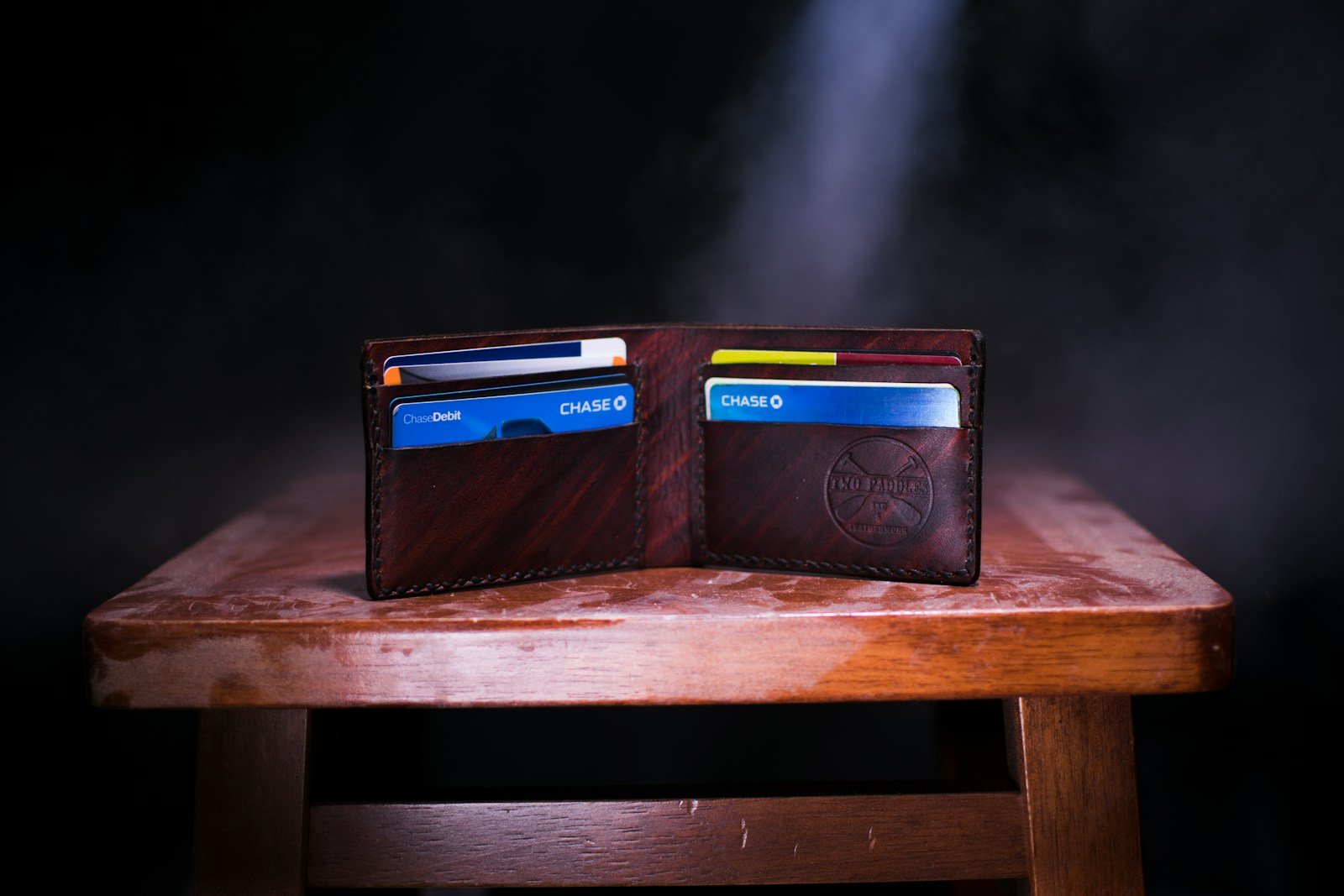
Source: Rick Steves’ guide to overseas card fees (Rick Steves).
Credit Cards in Europe
Credit cards offer enhanced consumer protections, rewards programmes and, often, fee-free foreign transactions on travel-oriented products.
-
Foreign Transaction Fees
Average fees for foreign transactions hover between 1 percent and 3 percent, with a mean of about 3 percent per transaction (Bankrate). A study of 165 cards revealed that bank-issued products average 2.97 percent, while credit union cards average 1.15 percent (LendingTree). -
No-Fee Travel Credit Cards
Prominent travel rewards cards (e.g., Citi®/AAdvantage® Platinum Select World Elite Mastercard®) waive foreign transaction fees as a core feature (Citi). Cardholders may incur annual fees—averaging US $86.76 among no-fee cards versus US $14.99 for cards that do charge FX fees (LendingTree). -
Rewards and Benefits
Travel-focused cards frequently provide point multipliers on airline, hotel and dining purchases, free checked bags, airport lounge access and statement credits for Global Entry or TSA PreCheck application fees (Kiplinger). -
Interest and Carrying Balances
Avoiding interest charges requires full payment of statement balances. Given typical APRs range from 15 percent to 25 percent on purchases, holding balances abroad can negate even generous reward rates. -
Security Features
Zero-liability protection, chargeback rights, and enhanced fraud monitoring distinguish credit cards from debit cards. Unauthorized transactions are often reversed before the cardholder bears actual loss.
Case Data: Credit Card FX Costs
-
Spending €1 000 on a card with a 2.5 percent FX fee results in €25 in fees.
-
Annual cost: For a traveler spending €10 000 in a year, FX fees could total €250 unless a no-fee card is used.
Prepaid and Multi-Currency Travel Cards
Prepaid travel cards lock exchange rates in advance, permit loading of multiple currencies, and can limit liability in fraud cases.
-
Mid-Market Rates and Locked-In Rates
Products like the Wise Travel Money Card allow holders to “convert them at the mid-market rate with the free Wise app,” without hidden FX markups (Wise). Revolut offers fee-free currency exchange on weekdays up to plan limits (Revolut) and tiered ATM allowances (Revolut). -
ATM Withdrawal Policies
Wise: Two free withdrawals up to £200 per month, then a small fee per withdrawal (Wise).
Revolut: Fee-free up to £200–£2 000 per rolling month depending on plan; beyond that a 2 percent charge or €1 minimum applies (Revolut). -
Security and Spending Controls
Virtual card options, budget-setting and instant freeze features add a layer of security. Prepaid cards are not linked to bank accounts, capping potential losses. -
Provider Landscape
Major providers include Wise, Revolut, Caxton FX, Travelex Money Card, and specialist offerings like Monzo and Starling travel debit cards with integrated exchange services.
Multi-Currency Travel Card Benefits
-
Avoid FX fees by holding euros and other local currencies beforehand.
-
Prepaid structure prevents overspending beyond the loaded balance.
-
Simplified tracking of Europe travel expenses card outlays through app dashboards.
Comparative Cost Analysis
A model scenario illustrates relative costs when spending €500 over one week in Paris:
| Card type | FX fee | ATM fee | Total fees (€) |
|---|---|---|---|
| Standard debit (flat 2 % + €3) | 10.00 | 3.00 | 13.00 |
| Travel credit (no FX fee) | 0.00 | 0.00 | 0.00 |
| Travel credit (2 % FX fee) | 10.00 | 0.00 | 10.00 |
| Wise prepaid (mid-market + 0) | 0.00 | 0.00 | 0.00 |
| Revolut Standard (0.5 % above €200) | 1.50 | 0.00 | 1.50 |
This simplified table underscores that travel-oriented credit and multi-currency cards generally minimize or eliminate fees, provided usage falls within specified allowances.
Security and Consumer Protections
Chip-and-PIN authentication is ubiquitous in Europe, reducing fraud incidence compared with magnetic-stripe transactions. Prepaid cards can be locked instantly in apps, limiting unauthorized spending. Credit cards add chargeback rights under EU law for defective or undelivered goods and cap cardholder liability for fraudulent charges.
Selecting the Right Option
Determining the best travel cards for EU travel depends on usage patterns:
-
High-Frequency Purchasers: A no-FX-fee credit card such as the Halifax Clarity or Barclaycard Rewards avoids FX markups and offers rewards for every transaction (MoneyWeek).
-
ATM Dependence: Prepaid multi-currency cards deliver predictable ATM costs; Wise is frequently recommended for its transparent pricing, while Revolut’s tiered plans suit varying withdrawal volumes (Wise) and (Revolut).
-
Budget-Conscious Users: Standard debit cards from Monzo or Starling in the UK impose no overseas spending fees and allow fee-free ATM withdrawals (up to daily limits) (MoneySavingExpert.com).
-
Reward Maximizers: Premium travel credit cards leverage points multipliers, lounge access and travel credits to offset higher annual fees (Kiplinger).
For those seeking the best Europe travel card 2025, current travel card offers Europe include fee-free travel card Europe promotions like waived issuance fees or enhanced ATM allowances. A travel card comparison Europe should evaluate:
-
FX fee structure
-
ATM withdrawal limits and overage costs
-
In-app currency management tools
-
Security features and card replacement times
-
Annual and issuance fees
-
Customer support responsiveness
Actionable Takeaways
-
Check whether a proposed travel card charges FX fees, hidden ATM operator fees or dynamic currency conversion penalties.
-
When possible, load euros onto a multi-currency travel card before departure to lock rates and avoid in-trip conversion.
-
Notify credit card issuers of travel dates to prevent fraud blocks.
-
Retain a mix of payment methods—credit cards for larger purchases, prepaid cards for day-to-day expenses and debit cards for emergencies.
-
Compare travel money card reviews on reputable financial sites to verify real-world user experiences.